



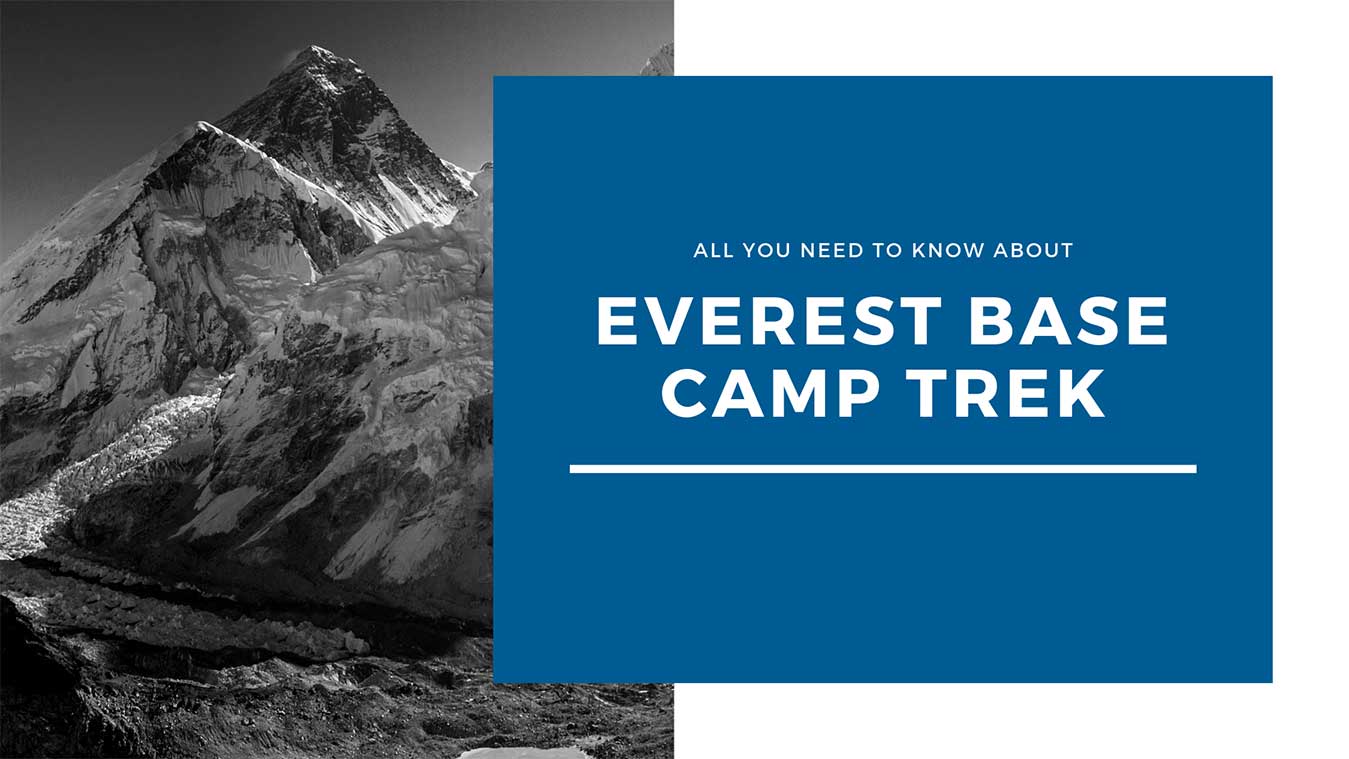
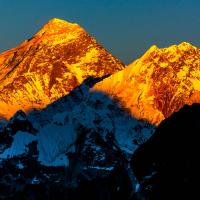
The name ‘Everest’ alone is enough to explain its grandeur. Zillions of travelers from all around the globe head on towards Everest as their ultimate destination. They believe that nothing is so perplexing and bewildering than the mighty Everest. Life becomes complete when you get a chance to witness the great Mt. Everest rising above all minor ranges.
However, to climb up to the base camp of Everest is not a joke. The beauty of Himalayas levies you to risk your life along the avalanche threatened trail and many bizarrely narrow trails, which becomes more than difficult to pass through. Altitude sickness is another great issue that constantly drags your confidence and stamina down.
Then, how to make it happen? In this blog, I will be trying to accommodate all the necessary information, as well as additional advice that you should know before hitting on the trail.
Let us create lifelong inspirational memories together.
Pre-monsoon (February, March, April, and May) and post-monsoon (late September, October, November, and December) are the best time to go for Everest Base camp Trek. During the monsoon, the rainwater makes the trail slippery and difficult, simultaneously increasing the risk of landslides and avalanches. Personally, I would recommend trekking in March, late October, and November.
During the winter (January and early February), the temperature might plummet to -20oC and snow-fall might make the trek very difficult to carry on. While the summer would be awesome, but it blends with the monsoon. So, if you want to make your journey memorable and relatively easier then, do pay attention to time.
Also, during the month of March, you may see the woodlands being colorful with beautiful rhododendrons. Likewise, Sweet-smelling junipers perfume the trail.
Altitude Sickness is a matter of concern when you are scaling to greater heights, because it may be fatal if neglected. Acute Mountain Sickness (AMS) is the most common form of negative health effect caused by the gain of elevation.
At higher altitudes, the oxygen content is very minimal. So, it alters your bodily functions as compared to the normal functions. This is the cause of altitude sickness.
Symptoms are headaches, vomiting, tiredness, trouble sleeping, and dizziness. If you belong somewhere around these symptoms, then you are already affected by the altitude sickness. In that case, seek help from the guide.
In case the AMS is ignored, then its symptoms may accompany shortness of breath, which means you are suffering from High Altitude Pulmonary Edema (HAPE) or High Altitude Cerebral Edema (HACE).
For more details on Altitude sickness, Click Here.
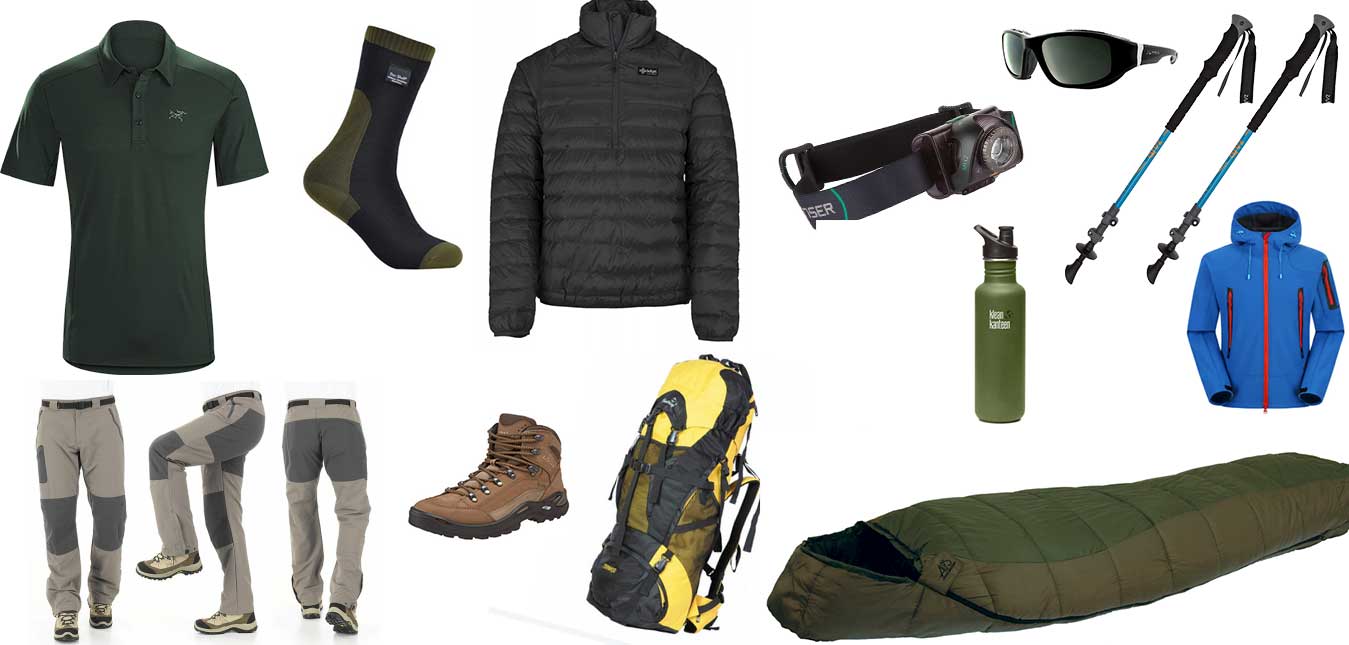
You must be mindful of the required trekking gears because, in the absence of any one of these, your adventure might not be as thrilling and memorable as you have had expected.
Some of these trekking gears may also be provided by the trekking company you have promised to go with. So, do inquire in advance what gears are already at your hand and look out for the remaining.
We have already prepared a blog for trekking gears in details-check out.
Trekking Equipment:
Trekking Clothing:
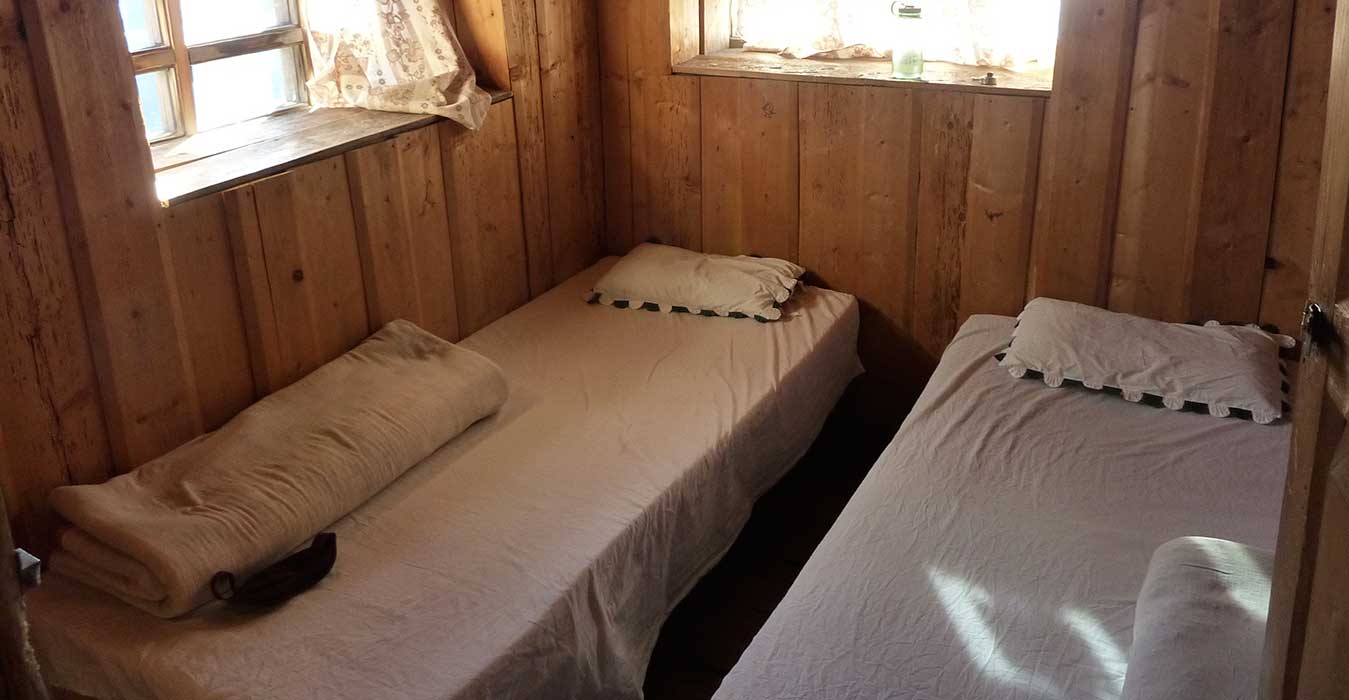
The hotels get less fancy as you gain the elevation and the same holds true for the Everest region. Most of the trekkers prefer tea-houses, which is cheap and luxurious enough for a night stay. Rooms in the teahouses, generally, have two wooden beds-each with a pillow and a woolen blanket. Still, many trekkers prefer to carry an additional sleeping bag for extra warmth and comfort. Bathrooms ought to be shared.
Some of the tea-houses around the Everest region are very well-maintained and are also equipped with modern day appliances such as a heater. A rare case, they may as well have the wifi facility and if it has, then don’t expect it to be super fast because it is not just you, who is connected to the network.
Hotels (typically 3-stars), on the other hand, are well adorned with modern day amenities and luxuries, so as to provide extra fragrance to your adventure. They are relatively expensive but have all those facilities to make your stay a comfortable one. Attached bathroom, telephone service, high-speed wifi, satellite tv, wardrobe (optional), and mini-refrigerator (optional) are few of the basic commodities you have access to throughout your stay in a hotel.
Guesthouses or Trekking lodges provide a quite similar experience as that in tea-houses. In fact, many of the teahouses run by the name of guesthouses. However, many of those lodges around the Everest region render some additional services such as telephone call but with extra pay.
Likewise, Homestay is another option if you wish to stay with a family. The environment is homely, and you would have an opportunity to dive into the culture of Himalayan Sherpas at its depth. However, many of the homestay services around the Everest is commercialized and community-based, which means the services you get are basic with shared bathroom and you will have to pay few extra dollars just for the name ‘Homestay’. So, inquire in advance with the related trekking agency and don’t forget to read the reviews.
Of all, camping on the Himalayas is just out of the world experience. You would surely want to lie on the ground inside a tent. For that, some of the places offer tent services and the prices are quite the same as reserving a room. If you like to pitch a tent away from the community, then it is better to bring your own tent with you and ask someone whether anybody’s permission is required to pitch a tent on that area. Mostly you don’t have to pay for the land, but in some cases, you will be charged a few dollars. For a campfire, woods cost extra money.
The cost of trekking to the Everest base camp, generally, ranges from $1000 to $3000 for 15 to 20 days itinerary. However, this is just a rough estimate because the cost greatly depends on the company you have chosen to go with. Also, the longer you stay, the more you pay.
Seasons are another factor that contributes to the cost fluctuation. It is usually cheaper in monsoon because of less tourist inflow than in peak trekking seasons.
You may have your special requirements for luxury, which adds a few extra costs than the average one.
Expect to pay extra for the hot shower, battery charging, telephone and internet services, beverages and special shopping such as souvenir.
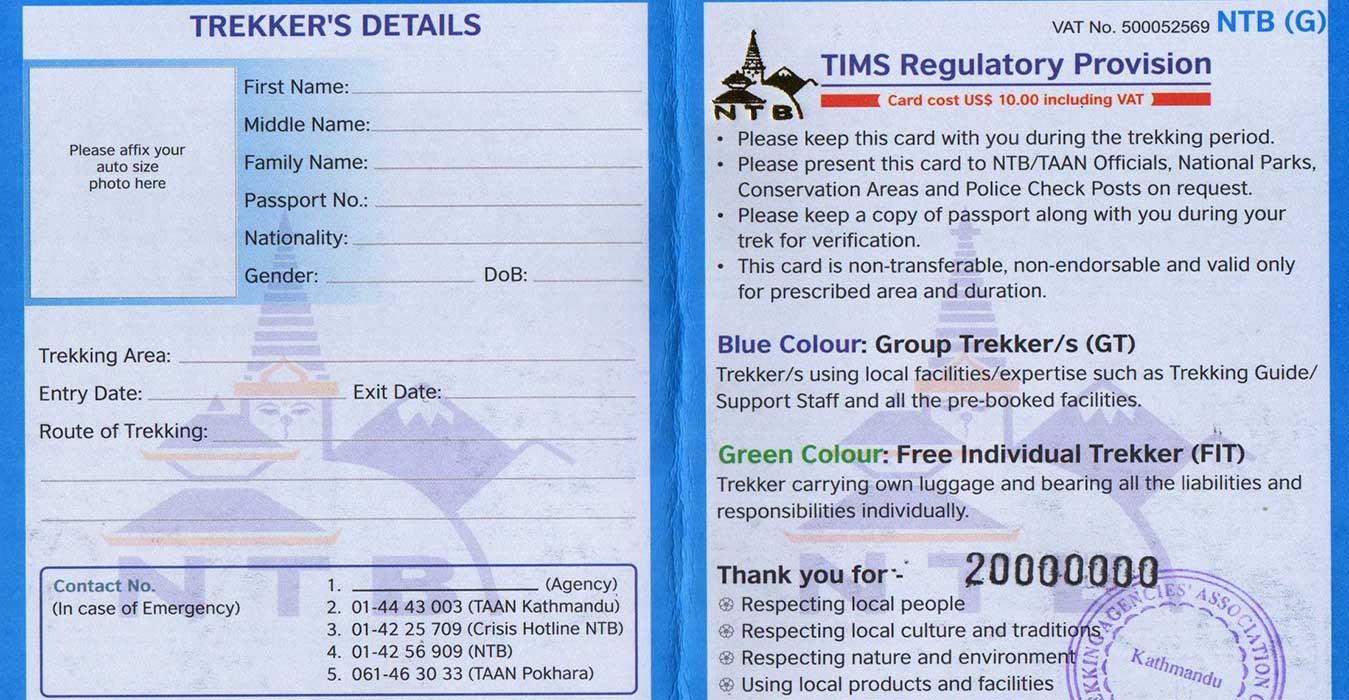
Mostly, the trekking companies include the cost of these permits in their packages, but don’t rely on that expectation. Check whether permit charges are included in your cost.
TIMS Card is mandatory for the foreign trekkers, which can be obtained from Nepal Tourism Board at Kathmandu or Pokhara, TAAN Secretariat located at Maligaon, or TAAN Secretariat at Pokhara. You will require a photocopy of your passport and 2-passport sized photo for obtaining the TIMS Card.
The requisite fees for the TIMS Card in Nepal are:
|
|
SAARC Countries |
Other Countries |
|
Group Trekkers |
Rs. 300 |
Rs. 1000 |
|
Individual Trekkers |
Rs. 600 |
Rs. 2000 |
Sagarmatha National Park permit can be obtained at the entry point of the National Park. For that, you need to pay $ 35 as per the recent information.
Trekking can be a very addictive adventu
Leave Your Comment